Jefferson City voters to decide on public safety sales tax increase

JEFFERSON CITY, Mo. (KMIZ)
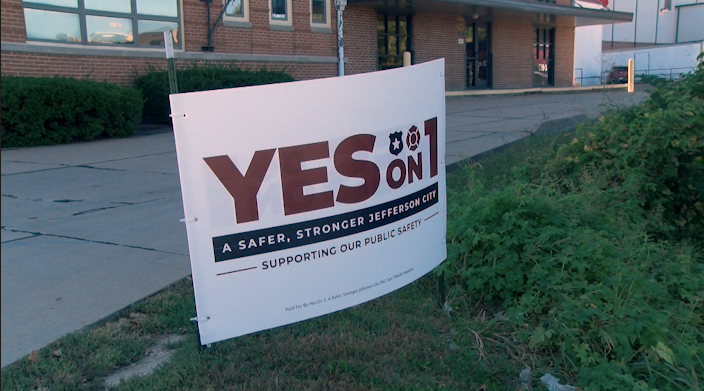
Jefferson City voters will decide next Tuesday whether to double the city's existing public safety sales tax to help fund police and fire department salaries, benefits and equipment.
Voters approved the quarter-cent sales tax in 2021. The tax generates 25 cents for every $100 spent on taxable purchases in Jefferson City and raises about $3.5 million annually, according to city figures.
The city's most recent finance report shows the tax has collected about $3.1 million so far this fiscal year. The city expects collections to reach $3.5 million by the end of the fiscal year on Saturday.
Jason Ambler, president of the Jefferson City Police Officers Association, said the original tax helped fund body-worn cameras for police officers and salaries for the city's police and fire departments.
But the cost of living, equipment and personnel have increased, Ambler said. Without additional funding, he said, the departments could struggle to maintain their current levels of service.
“We couldn't have predicted the market … the funds are not keeping up with the expenditures, and that’s why we're here,” Ambler said.
Earlier this year, public safety representatives asked city leaders to increase the tax rate to a half-cent. If approved, the tax would collect 50 cents for every $100 spent on taxable purchases. In August, the Jefferson City Council voted to place the proposal on the Nov. 3 ballot.
Ambler said the additional revenue would help replace the police department's aging body-worn cameras, but he emphasized that funding salaries and benefits is critical to retaining officers.
Ambler and James Noah, president of Jefferson City Firefighters Local 671, said recruitment and retention are the departments' biggest priorities.
Police, fire departments cite staffing challenges
Ambler said Jefferson City police officers are among the lowest-paid law enforcement officers in Mid-Missouri.
He compared the department's annual starting salary of $53,345 with $66,432 for the Missouri State Highway Patrol, $60,611 for the Columbia Police Department, $53,487 for Capitol Police and $60,486 for the Boone County Sheriff's Office.
“We have individuals who are interested in getting into law enforcement; they know about Jefferson City, know it's the state capital, are engaged with us until we get to the point where we start talking about salary,” Ambler said.
Ambler said the police department has at least 10 vacancies at any given time. Staffing shortages have forced the department to move some school resource officers and a mental health liaison officer back to patrol, leaving specialized units, including investigations and traffic enforcement, short-staffed.
He said officers who gain four or five years of experience and specialized training with the department may leave for better-paying jobs elsewhere.
“When salaries are not keeping up on a retention level, we're training individuals and giving them a great background. However, we're giving them a great background for them to go elsewhere where they can make more money,” Ambler said.
Noah said the fire department, with a starting salary of $48,367, also has struggled to retain employees. The department, which has 76 personnel, experienced about 27% turnover over the past two years, he said. That figure includes retirements as well as employees leaving for other jobs or leaving the fire service.
Noah said he understands why some employees have chosen to leave, especially younger employees looking to purchase a home or raise a family.
“If we’re not able to keep pace with that cost factor, they got to do what they can as far as longevity and livelihood of the service and their home life,” Noah said.
The fire department estimates it costs about $15,000 to train and equip a new firefighter, including academy training and personal protective equipment.
Noah said pay concerns affect employees at all levels, from firefighters to captains. He said the proposed tax is intended primarily to address personnel costs, rather than purchase fire equipment.
The department primarily relies on the city's capital improvement sales tax and its regular budget for equipment and other capital needs, he said.
City projects budget pressures
The city's Finance Department presented a 10-year fiscal analysis to council members in July. The analysis projected an initial surplus that could help offset deficits later in the decade.
The projections assume an initial 10% increase in personnel costs, followed by annual salary increases of 5%, annual health insurance cost increases of 10% and annual employee benefit increases of 5%.
Without the increase, there would be a deficit of several million dollars within a few years, according to City Administrator Brian Crane.
In 2021, voters approved the original public safety sales tax with nearly 70% support. Ambler and Noah said they have heard widespread support from residents and community leaders for the proposed increase.
Both said rejecting the measure could force the city to reduce public safety services.
Ambler said staffing shortages could mean fewer officers available for specialized assignments, including the Community Action Team, which he described as important to crime prevention.
Noah said staffing reductions could affect the fire department's ability to respond to emergencies, including water rescues on the Missouri River and vehicle crashes.
“Without that new tax revenue, it's going to be really tough to continue the services that we provide now,” Noah said.
Barbara Selke, who has lived in Jefferson City since 2017, said she generally feels safe in the city. She described Jefferson City as one of the safest places she has lived and said she feels comfortable walking downtown at night.
Selke told an ABC 17 News reporter Tuesday that she was unfamiliar with the proposed tax and planned to read more about it before voting. She questioned whether doubling the existing tax was necessary.
“Show us why you need the money,” Selke said.
She said she would prefer smaller tax increases over time or a clearer explanation of why the additional revenue is needed.
Ambler said the proposed increase is intended to maintain the level of service residents have come to expect. He said rising costs and competition for employees could make it more difficult for the departments to retain personnel without additional funding.
“This is a level of service that citizens, quite honestly, deserve and expect,” Ambler said.
