Beyond the house: Insuring your deck, fence, and detached garage

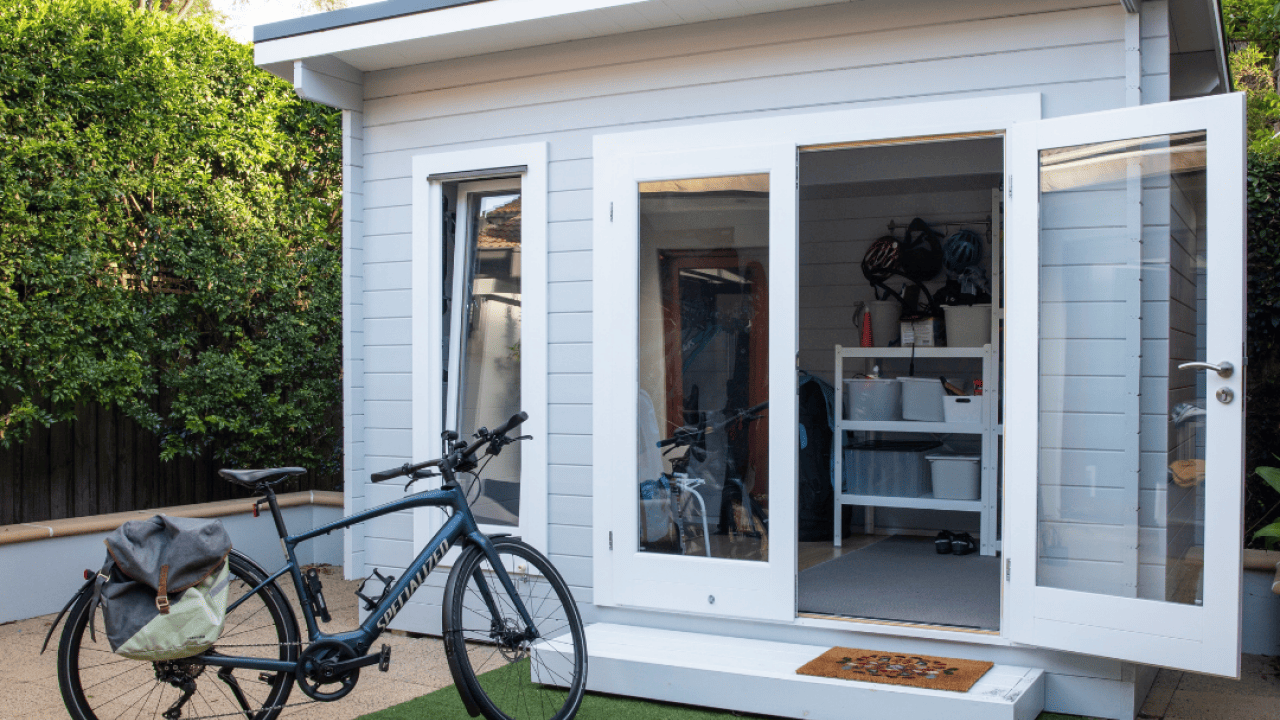
LIGHTITUP // Shutterstock
When homeowners review their policy, their focus often remains on Coverage A: Dwelling, which is the physical structure of the main house. However, a significant portion of a property’s value resides in its external, unattached structures, such as detached garages, fencing, sheds, and gazebos.
Cheap Insurance explains how these external structures are covered under a different section of the homeowners insurance policy, usually designated as Coverage B: Other Structures. Understanding this section’s limitations, exclusions, and unique valuation is essential to prevent significant financial loss after a claim.
Defining Coverage B: What Does Other Structure Include?
Coverage B provides protection for structures on the residence premises that are separated from the main house by clear space. The structure is considered “detached” or “appurtenant.”
The core definition of Other Structure includes any building or feature at the insured location that is not directly attached to the primary dwelling. If a structure is connected only by a fence, utility line, or similar minimal attachment, it is typically still classified under Coverage B.
Common structures that fall under Coverage B include:
- Detached garages and carports
- Storage sheds, utility buildings, and workshops
- Fences (wood, chain link, or vinyl)
- Gazebos and pergolas
- In-ground swimming pools and related equipment (often covered under Coverage B or A, depending on the specific policy language)
- Guest houses or casitas (if not rented out)
Attached Versus Detached Distinction
The distinction between Coverage A and Coverage B is crucial. An attached garage, a sunroom, or a deck physically connected to the house is covered under Coverage A: Dwelling. A structure set apart by clear space falls under Coverage B: Other Structures. Incorrectly valuing these structures can lead to underinsurance on a claim.
The Automatic Coverage Limit: A Common Gap
In nearly all standard homeowners insurance policies (the industry-standard HO-3 form), the limit for Coverage B is set automatically as a percentage of your main dwelling coverage (Coverage A).
- Standard limit: The limit for Coverage B: Other Structures is typically 10% of your Coverage A dwelling limit.
- Example: If your main house (Coverage A) is insured for $500,000, your automatic Coverage B limit for all other structures combined is only $50,000.
This automatic 10% limit represents a major coverage gap for many homeowners. If you have a substantial detached garage used for storage, a high-quality perimeter fence, and an expensive in-ground pool, the combined replacement cost can easily exceed this 10% threshold, leaving you significantly underinsured after a total loss. Homeowners must calculate the full replacement cost of all secondary structures and proactively ask their agent to increase the Coverage B limit if needed.
Common Exclusions and Pitfalls in Coverage B
While Coverage B protects against the same covered perils as the main house (fire, windstorm, vandalism), it is critical to know the common exclusions and limitations.
1. Business Use Exclusion
If any detached structure is used for business purposes, even partially, it may void coverage under the standard HO-3 insurance policy. A detached garage converted into a commercial workshop, or a guest house rented through a short-term rental platform like Airbnb, may be excluded. Commercial activity requires a separate business or liability policy.
2. General Maintenance and Wear
Coverage B does not pay for maintenance issues. Exclusions across the entire homeowners insurance policy include:
- Rot, mold, or rust damage due to moisture over time.
- Infestations by insects or rodents.
- Damage caused by normal wear and tear or homeowner neglect.
3. Contents Versus Structure
It is vital to remember that Coverage B covers the structure itself: the walls, foundation, and roof. It does not cover the personal contents inside the detached structure. Tools, lawnmowers, sports equipment, and vehicles stored in the garage or shed are covered under Coverage C: Personal Property, which has its own separate limits and rules for valuation.
4. Natural Disaster Exclusions
Standard homeowners policies exclude certain disasters for all parts of the property, including Coverage B. These typically include:
- Flood damage requires a separate flood insurance policy through the National Flood Insurance Program (NFIP) or a private carrier.
- Earth movement or earthquakes require a separate endorsement or insurance policy.
Valuation: Replacement Cost Versus Actual Cash Value
To determine the correct amount of insurance for Coverage B, homeowners must understand the valuation method. Most insurers cover detached structures at replacement cost value (RCV), meaning the insurer pays the cost to rebuild the structure new, without deduction for depreciation. However, certain structures, such as fences and driveways, may be covered at actual cash value (ACV) depending on the specific insurer and state regulations.
The most accurate method for calculating the required limit is to determine the full, modern replacement cost of the structure, including labor and materials, before consulting with the insurance agent.
State Regulation and Unique Regional Risks
While the HO-3 policy form is largely standard across the country, state regulations and regional risks significantly impact the practical application and cost of Coverage B, especially in high-risk zones. Local building codes heavily influence the cost to repair or replace a structure after a covered loss.
State and Regional Risk Analysis for Coverage B
In states prone to specific weather events, the valuation and even the replacement cost basis for Coverage B structures can be complex. An analysis of key states highlights unique regional risks that can impact the ability to insure and the cost to rebuild detached structures.
- California: There are special considerations for Coverage B structures due to high wildfire risk and specific nonrenewal laws. Wildfire mitigation requirements may affect coverage decisions for detached units.
- Florida: Hurricane deductibles are applied to claims on detached garages and sheds, and there are wind mitigation credits for structures that meet specific building standards.
- Texas: There are rules regarding detached property and windstorm coverage in the Texas Windstorm Insurance Association (TWIA) territory, which provides coverage as an insurer of last resort in coastal areas.
- Colorado: There is a need to navigate replacement cost policies and high premiums resulting from severe hail and windstorms, which frequently damage fences and sheds.
- New York: The state’s stringent building codes and high labor costs impact the RCV calculation for a detached garage after a total loss.
Coverage B: Other Structures is a critical component of the homeowners policy, yet it is often the most overlooked and underinsured section. Assuming the automatic 10% limit is sufficient represents a significant financial gamble. By inventorying detached structures (garages, fences, and sheds), calculating their replacement value, and working with an insurance agent to customize the Coverage B limit, the entire property, not just the main house, is protected from sudden, accidental loss. Homeowners should review policy details with their agent to confirm the level of protection and close potential insurance coverage gaps today.
This story was produced by CheapInsurance.com and reviewed and distributed by Stacker.

